
Președintele FK Csíkszereda și al Academiei de Fotbal Ținutul Secuiesc protestează din nou față de manifestările de atitudine anti-maghiară și aplicarea unui dublu standard la nivelul Ligii Profesioniste de Fotbal (LPF).
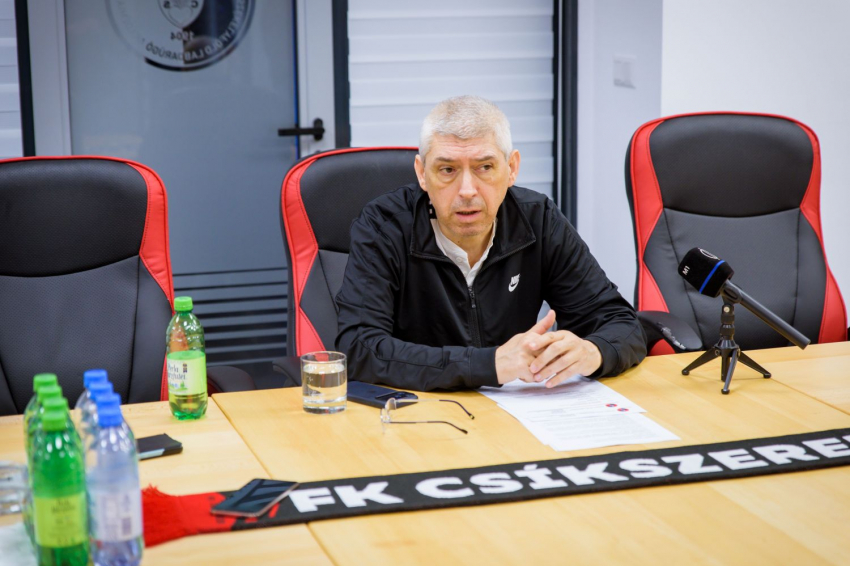
Președintele FK Csíkszereda și al Academiei de Fotbal Ținutul Secuiesc protestează din nou față de manifestările de atitudine anti-maghiară și aplicarea unui dublu standard la nivelul Ligii Profesioniste de Fotbal (LPF).
Zoltán Szondy și-a prezentat din nou poziția luni, în cadrul unei conferințe de presă, în legătură cu amenzile aplicate la meciurile de acasă ale FK Csíkszereda pentru utilizarea simbolurilor naționale maghiare și secuiești. Comisia de Disciplină și Etică, care funcționează sub egida Federației Române de Fotbal, a sancționat deja de șapte ori clubul în calitate de organizator de la începutul sezonului 2025–2026 pentru folosirea simbolurilor contestate, dintre care într-un caz pentru scandarea „Ria, ria Hungaria”, valoarea totală a sancțiunilor ridicându-se la aproape 104.000 lei, adică aproximativ 20.500 euro.
În plus, Gruparea Mobilă de Jandarmi „Regele Ferdinand I” din Târgu Mureș a aplicat, într-o procedură separată, o amendă de 30.000 lei clubului FK Csíkszereda pentru afișarea steagurilor maghiare și secuiești în stadion, după meciul de acasă disputat împotriva Universității Cluj. De asemenea, după cel mai recent meci de campionat jucat pe teren propriu împotriva UTA Arad, cel puțin patruzeci de suporteri au fost sancționați individual cu câte 140 lei pentru scandări.
Comisia de Disciplină a stabilit, la scurt timp după partida din etapa a 26-a, o nouă amendă în valoare de 37.968 lei. „Acesta este deja un război deschis, în legătură cu care avem câteva observații. Aș dori să clarific ce urmează. Conform regulamentului în vigoare, aceste sancțiuni se cumulează, iar următorul pas (…) este amenda de 70.000 lei, care reprezintă maximul prevăzut pentru această așa-numită abatere. Ulterior însă, sancțiunea va fi mult mai dureroasă decât orice amendă financiară, pentru că după aceea urmează închiderea de sectoare și închiderea stadionului”, a atras atenția Zoltán Szondy.
Președintele a subliniat că s-a ajuns la o situație absurdă: în timp ce în campionatul românesc, etapă de etapă, au loc în diverse stadioane acte de agresiune fizică sau verbală, FK Csíkszereda a devenit clubul cel mai sancționat din ligă, deși niciuna dintre amenzile disciplinare nu a fost aplicată pentru astfel de incidente. La Miercurea Ciuc nu au existat aruncări de obiecte în teren, nu au avut loc bătăi și nu s-au auzit scandări rasiste. „Practic, suntem amendați în mod constant pentru un singur steag maghiar și un singur steag secuiesc, aceleași două simboluri care au apărut pentru prima dată în tribunele noastre în vara anului 2018 și care, până la promovarea în prima ligă și implicit aderarea la liga profesionistă, nu au deranjat pe nimeni. Aceste steaguri au fost prezente atunci când aici s-a aflat domnul prim-ministru Viktor Orbán, au fost prezente când a vizitat stadionul Răzvan Burleanu, președintele Federației Române de Fotbal, au fost afișate la fiecare meci, deoarece galeria Lokálpatrióták le aduce și le duce. Până în vara anului 2025, nimeni nu a avut nicio problemă cu ele, niciun observator și niciun organ de presă nu le-a considerat demne de menționat”, a explicat Szondy Zoltán.
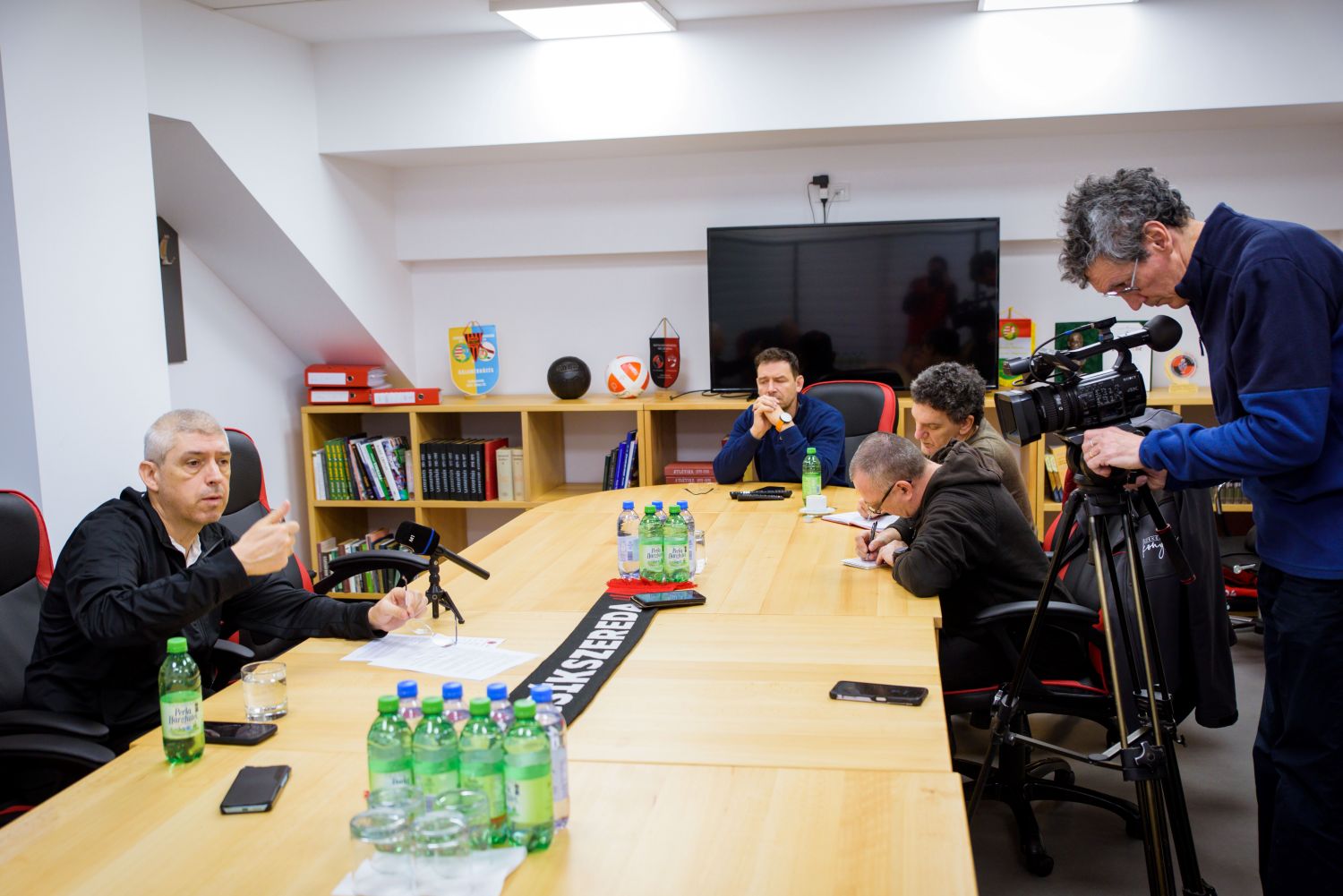
Potrivit președintelui, liderul ligii, Gino Iorgulescu, a dat dovadă încă de la primul contact de o atitudine anti-maghiară de neconceput în locuri civilizate, însă dovada caracterului sistemic al acestei atitudini nu constă neapărat în declarații, ci în aplicarea consecventă a dublului standard. În timp ce FK Csíkszereda primește sancțiuni repetate pentru utilizarea simbolurilor identitare proprii, nu se adoptă decizii similare în cazuri precum cele petrecute la meciul dintre Dinamo București și Universitatea Craiova, unde au existat scandări rasiste, altercații între jucători și suporteri, aruncarea de obiecte către arbitrul de naționalitate maghiară, iar cele două galerii au scandat „în deplin consens” lozinci anti-maghiare. În schimb, FK Csíkszereda este sancționată pentru utilizarea pașnică a simbolurilor identitare, în condițiile în care pe stadion nu au loc acte de violență, nu există tulburări ale ordinii publice și nu apar consecințe de securitate. Între timp, Consiliul Național pentru Combaterea Discriminării (CNCD) de ani de zile nu găsește timpul necesar pentru a analiza cazul în care suporterilor noștri nu li s-a permis accesul pe stadionul Steaua București cu bannere în limba maghiară, invocându-se în mod explicit faptul că acestea sunt redactate în limba maghiară.
Zoltán Szondy a precizat că, în toate cazurile în care a fost posibil, clubul a formulat căi de atac împotriva amenzilor aplicate de comisii sau de jandarmerie. În cazul a două sancțiuni ale jandarmeriei, pentru una dintre ele este deja stabilit primul termen de judecată în luna martie, iar pentru cealaltă nu a fost încă fixată o dată. În ceea ce privește sancțiunile disciplinare, pentru cele sub 20.000 lei – cinci din cele șapte – nu a existat posibilitatea formulării apelului, acestea trebuind plătite. Pentru ultimele două amenzi, de aproximativ 25.000, respectiv 38.000 lei, există posibilitatea contestării, însă, potrivit președintelui, acestea vor fi analizate de aceeași comisie care le-a impus, astfel că este puțin probabil să fie schimbată interpretarea faptelor.
Există totuși un for superior de apel, și anume Tribunalul de Arbitraj Sportiv (TAS) din Elveția. Pentru a putea sesiza această instanță este însă necesară comunicarea motivării oficiale a deciziilor adoptate în România, motivări care până în prezent nu au fost transmise. În această cursă contra cronometru există temerea că sancțiunea privind închiderea stadionului ar putea interveni înainte ca plângerea clubului să fie soluționată. „Așa cum am spus și anterior: nu dorim să ajungem în situația în care noi să fim cei care interzicem pe stadion steagul secuiesc sau maghiar, dar nici nu dorim să nu mai putem juca la Miercurea Ciuc”, a rezumat dilema președintele FK Csíkszereda.
Totodată, Zoltán Szondy a arătat că reprezentarea politică a comunității maghiare a făcut pași în urma apelului anterior: deputatul UDMR József Kulcsár-Terza a adresat o interpelare în Parlament pe această temă, iar viceprim-ministrul Barna Tánczos, potrivit informațiilor președintelui clubului, a purtat o discuție „îndelungată și tăioasă” cu președintele FRF, Răzvan Burleanu. De asemenea, primarul municipiului Miercurea Ciuc, Attila Korodi, a transmis o scrisoare conducerii ligii, contestând sancțiunile semnificative aplicate clubului. „Steagul secuiesc este un simbol cultural al comunității locale, fără caracter extremist sau instigator. Afișarea sa pașnică nu poate fi calificată în mod disproporționat drept faptă sancționabilă. În acest context, vă rugăm respectuos ca, în spiritul proporționalității, al echității și al respectării identității comunităților locale, să reanalizați aceste decizii”, a formulat edilul.
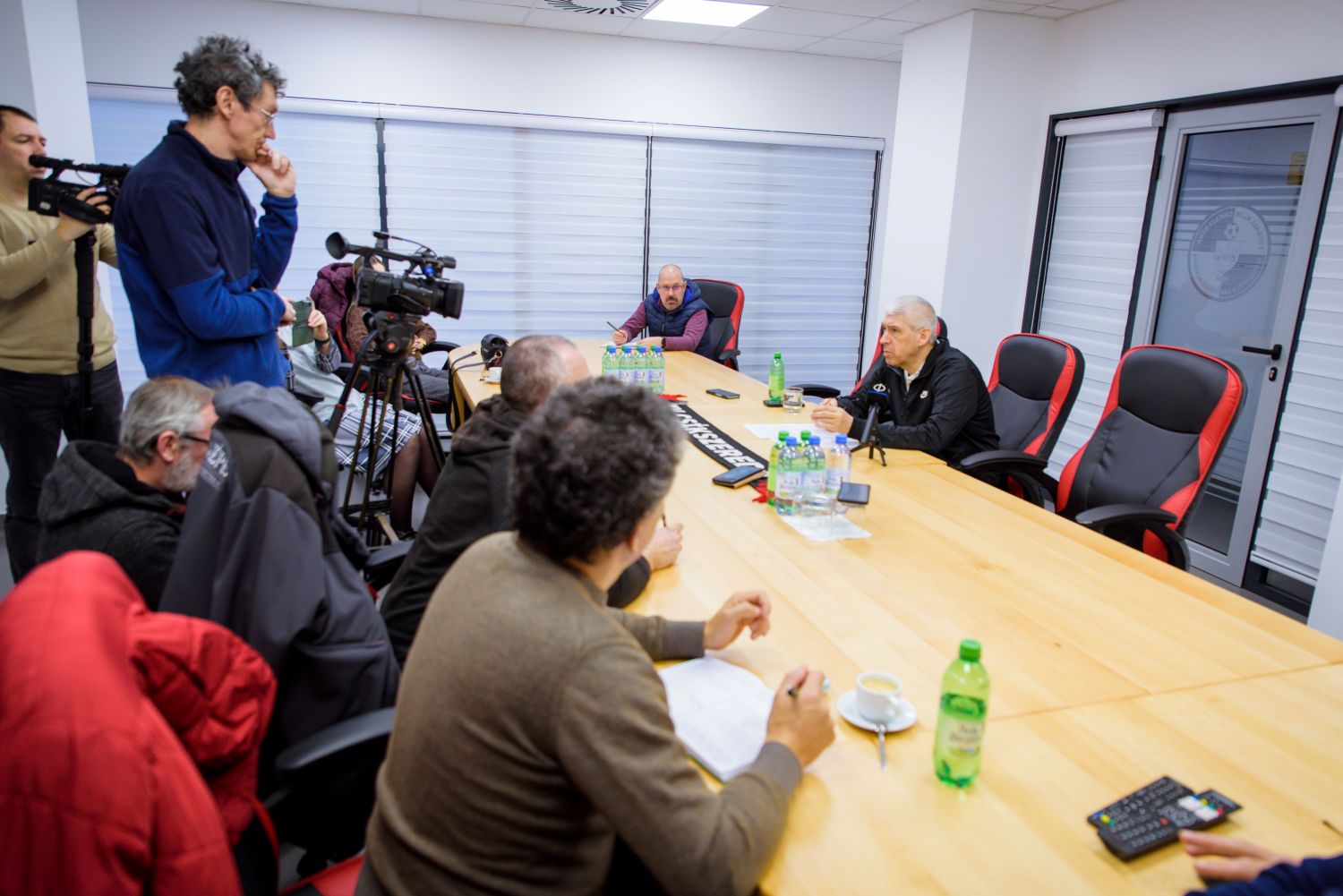
Amenda record aplicată FK Csíkszereda reprezintă un nou exemplu al exercitării de presiuni asupra minorității maghiare în cadrul sportului, se arată într-un comunicat al Serviciului de Asistență Juridică Mikó Imre. „Simbolurile maghiare și secuiești afișate pe stadion nu ofensează, nu incită și nu provoacă. Sancționarea lor nu servește menținerii ordinii, ci urmărește excluderea prezenței maghiare din spațiul public, chiar și acolo unde aceasta este naturală din punct de vedere istoric și social. Cuantumul amenzii este în mod clar disproporționat și creează un precedent periculos: transmite mesajul că manifestarea identității naționale poate fi transformată în abatere disciplinară. Aceasta nu mai este reglementare sportivă, ci discriminare instituționalizată. Cazul FK Csíkszereda depășește cu mult cadrul fotbalului. Este vorba despre a decide dacă permitem ca sportul să devină un instrument al urii și al intimidării. Considerăm că identitatea nu este o crimă, utilizarea simbolurilor nu este o provocare și nu poate fi redusă la tăcere prin sancțiuni”, se arată în poziția organizației.
FK Csíkszereda va formula oficial poziția sa către conducerea ligii și a federației, solicitând consecvență și renunțarea la dublul standard, subliniind că este dispusă să coopereze cu Federația Română de Fotbal și cu Liga Profesionistă de Fotbal pentru a se ajunge la o practică sancționatorie echilibrată și proporțională cu gravitatea concretă a faptelor.
Rédai Attila